 HIXOR
MOVEit Breach Explained: How One Flaw Leaked Data Around the World
Key points
- Exploitation began on 27 May 2023 (information cited by the CISA/FBI advisory). Progress announced the flaw and a patch on 31 May; CISA added it to the KEV catalog on 2 June
- The flaw was SQL injection (CVE-2023-34362). Attackers planted a 'web shell' and stole data from the underlying databases
- The actor was the CL0P ransomware gang, identified in the CISA/FBI advisory. This was theft-and-extortion, not encryption
- Harm spread beyond MOVEit users to their clients and suppliers — not using the software yourself did not keep you out of it
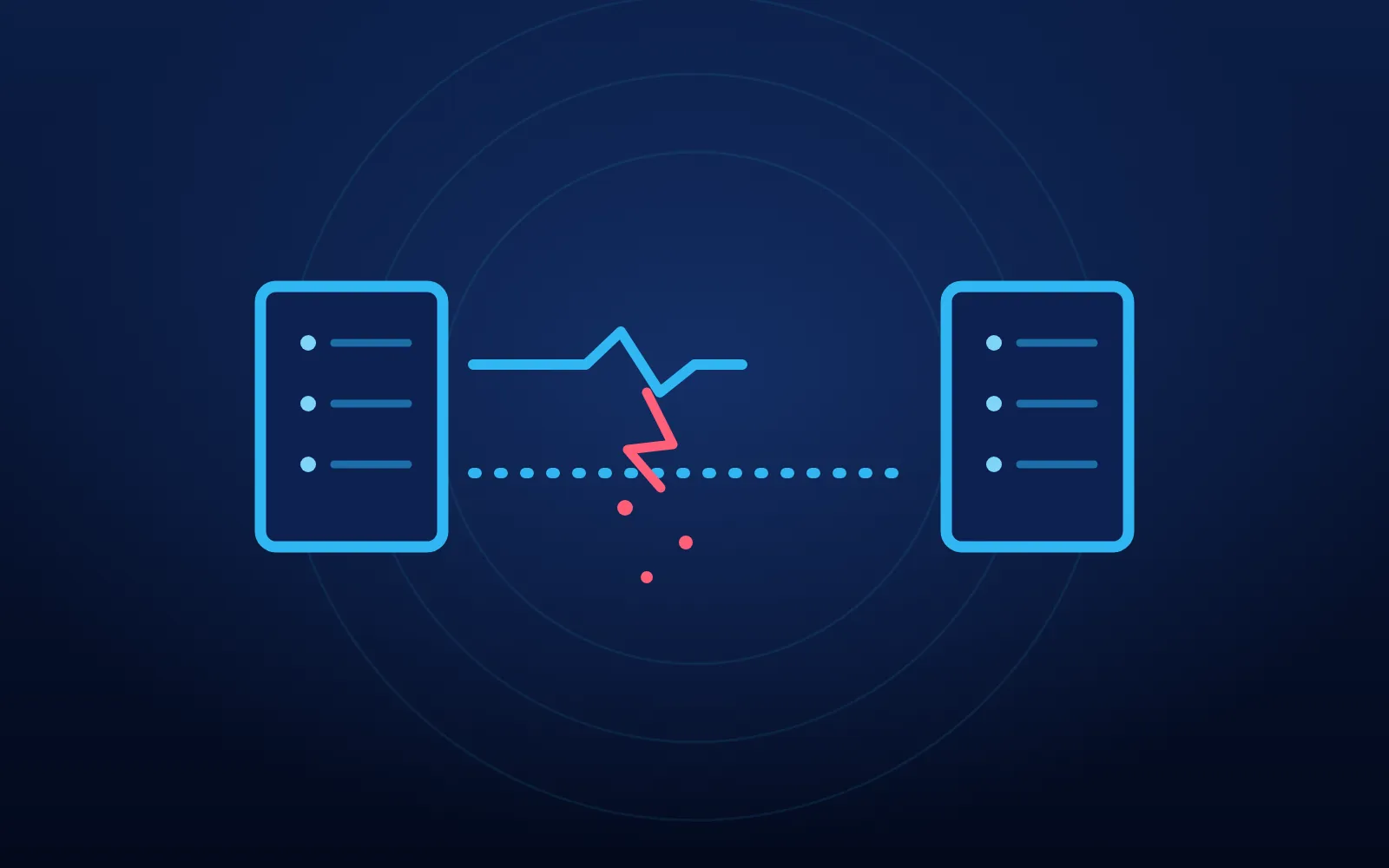
In May 2023, attackers exploited a vulnerability in the file-transfer software MOVEit Transfer and stole data from organisations around the world. The MOVEit breach is a supply-chain incident: even companies that never used the software were hit, through partners that did. This case file uses only the joint CISA/FBI advisory.
What happened — the timeline
- 27 May 2023: Exploitation of the vulnerability began (according to information cited in the CISA/FBI advisory)
- 31 May: Progress, the maker, announced the critical vulnerability (CVE-2023-34362) and released a patch
- 2 June: CISA added the vulnerability to its Known Exploited Vulnerabilities (KEV) catalog
- 7 June: CISA and the FBI published joint advisory AA23-158A, identifying the actor as the CL0P ransomware gang
- After that: CL0P began naming victim organisations on its leak site — which is how many organisations learned they had been hit at all
This was a "zero-day" attack: exploitation started before the flaw was public. Organisations using the software had almost no time between announcement and attack.
How the attack worked, in plain words
MOVEit Transfer is software that companies and public bodies use to exchange files securely. It was widely used by organisations that hold other people's important data — payroll providers, banks, government agencies and more.
The flaw was a type called SQL injection. In plain terms, it let an attacker smuggle database commands in through the software's input fields. Using it, the attackers planted a small backdoor program called a web shell (this one was named LEMURLOOT) on the servers, and stole data from the databases behind them.
What makes this incident different from ordinary ransomware is that the main goal was not encryption but theft and extortion: "pay, or the stolen data gets published". No encryption is needed for the damage to be real.
And the harm did not stop with the organisations running MOVEit. It spread to the companies that had entrusted data to them, and to those companies' employees and customers. Your data can leak through a partner's incident even when you never bought the software yourself — that is what makes this a supply-chain attack.
The damage — official figures only
For this incident, there is no official total of victim organisations or people. The counts quoted in news coverage are estimates by private research firms, so this article does not present them as figures. What is officially confirmed is the following:
- Affected product: MOVEit Transfer before the patch — versions 2023.0.0, 2022.1.x, 2022.0.x, 2021.1.x, 2021.0.x, 2020.1.x and 2020.0.x
- Speed: exploitation began four days before the public announcement, and the KEV listing came two days after it
- The actor: CL0P (also known as TA505). The advisory records the same gang running the same "zero-day mass theft" pattern against Accellion's legacy product in 2020–21 and against GoAnywhere, another file-transfer product, in January 2023
- The spread: beyond the organisations using the software, to their clients, suppliers, employees and customers. Public bodies and large companies around the world announced incidents one after another
What went wrong
- Forgotten software was facing the internet: file-transfer servers are reachable from outside. If you do not know what software is exposed, you cannot hear the call to patch it
- There was no time to patch: with a zero-day, "announced" means "already being exploited". Automatic updates, or a rehearsed same-day emergency procedure, are the only answers
- Supplier management decided the damage: the organisations holding your data — what software they run and how they patch it — became part of your own risk
Lessons for a small company
- Inventory the software that faces the internet: file transfer, remote access, VPN — list what runs where outsiders can reach it, and decide who patches it and how. The guide "Ransomware Readiness: The First Five Things to Do — For Companies Without IT Staff" covers updates as a basic step
- Move the same day on "critical vulnerability" news: a flaw listed in the KEV catalog is already being exploited when you hear about it. Some updates cannot wait until next week
- Decide what you will ask your suppliers: for anyone holding payroll or customer data, confirm what software they use, how they patch, and how they will tell you if something happens. Asking the questions itself strengthens their defences
- Keep shared data to a minimum: the less data a supplier holds, the smaller the leak if their systems are hit
The heart of this case: one product's flaw reached companies that never used the product. Your defences now extend to everyone you are connected to. The other cases are in the Breach Case Files index.
Review your current posture with 25 questions. Runs in your browser only.
Check your understanding
Tap an answer to check yourself. Nothing is saved or sent.
Start the quiz3 questions
Q1. What kind of flaw was the MOVEit vulnerability?
See the answer
CVE-2023-34362 was a SQL injection flaw — a way to smuggle commands into the database.
Q2. What is the 'web shell' the attackers planted on servers?
See the answer
The web shell, named LEMURLOOT, was used to steal data from the databases behind MOVEit.
Q3. Why did the harm spread so widely?
See the answer
One product's flaw chained through its users to their partners — a textbook supply-chain incident.
See the latest threat intelligence