 HIXOR
The Kojima Industries Ransomware Attack: How One Supplier Stopped Every Toyota Plant in Japan for a Day
Key points
- On the night of 26 February 2022, Kojima Industries found servers encrypted and a threat message on its systems, and cut its network connections
- Because parts ordering ran through Kojima, Toyota halted all 14 domestic plants — 28 lines — for one day, 1 March 2022, affecting about 13,000 vehicles' worth of production
- The way in was a vulnerability in a remote-connection device that a subsidiary used, on its own, for dedicated communication with one outside company (the company's investigation report)
- One unpatched remote-access box at a small supplier stopped its biggest customer's entire domestic production — a supply-chain incident
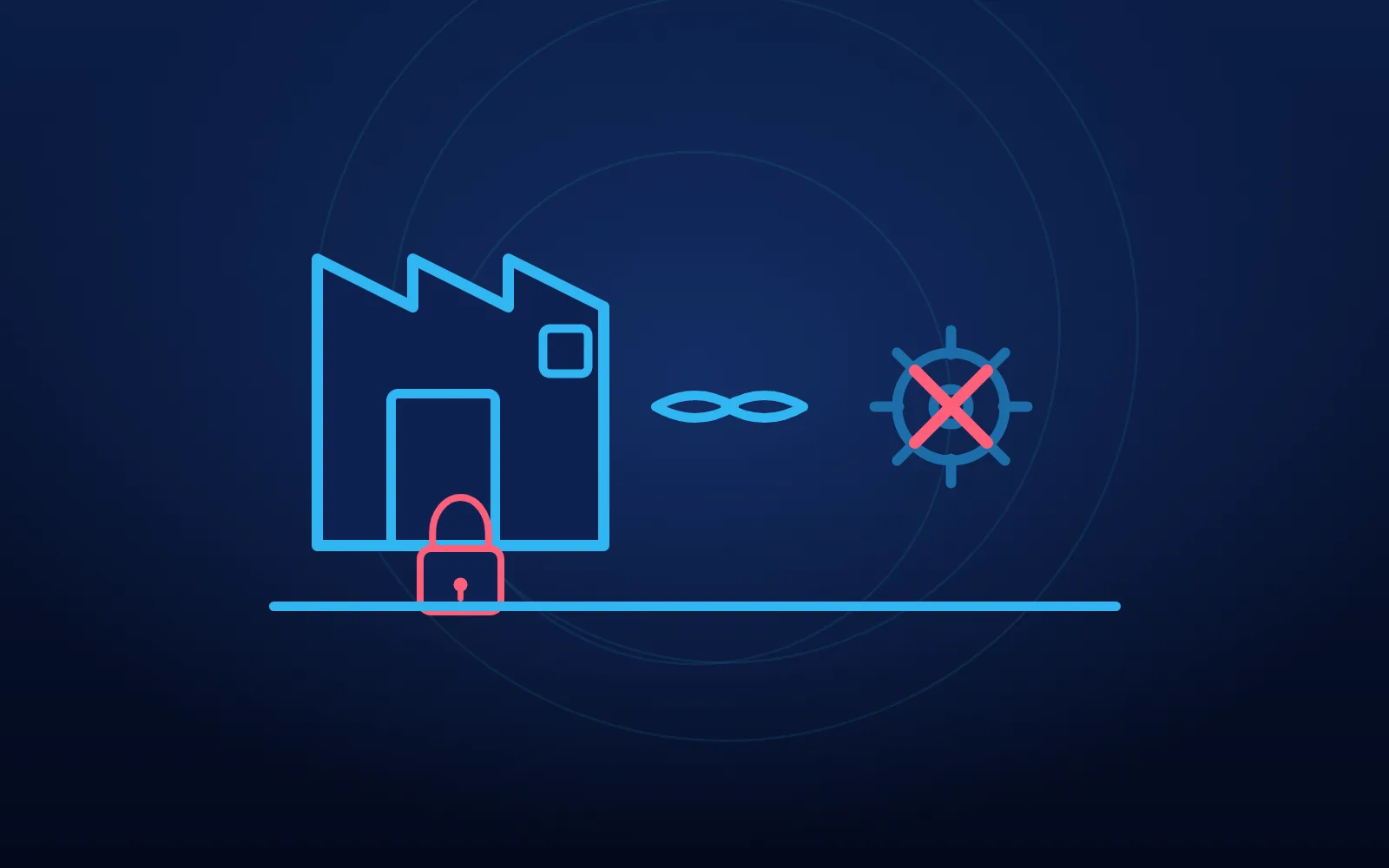
The February–March 2022 Kojima Industries ransomware attack is the case where harm at one parts maker stopped every domestic plant of Japan's largest carmaker. Toyota's own systems were not attacked. Production stopped because the supplier systems behind parts ordering could no longer be used. This case file retells the incident from official statements by Toyota and Kojima Industries only, in timeline order.
What happened — the timeline
- Night of 26 February 2022: Kojima Industries confirmed traces of an attack on its servers and PCs. After a file-server failure, a restarted device displayed a threat message, and part of its servers and PCs were found encrypted by ransomware. To prevent further attack, the company cut its network connections with business partners and the outside
- 28 February: Toyota announced that, due to a system failure at a domestic supplier, it would suspend operation of all 14 domestic plants — 28 lines — on 1 March
- 1 March: All of Toyota's domestic plants stood still for one day (both shifts). Kojima Industries announced the system stoppage caused by the virus infection. The same day, Toyota announced that all plants would resume from 2 March
- 2 March: All Toyota plants resumed. Kojima Industries also resumed deliveries to all customers, at first by exchanging order data through alternative means
- 31 March: Kojima Industries published its investigation report (first report), which identified the entry point: a vulnerability in a remote-connection device used by a subsidiary
The stoppage itself lasted one day. But that one day covered every plant in the country.
How the attack worked, in plain words
The flow in Kojima Industries' investigation report is as follows.
First, the attackers exploited a vulnerability in a remote-connection device used by the company's subsidiary. The device had been set up by the subsidiary on its own, for dedicated communication with one specific outside company. From there, the attackers entered the subsidiary's network, moved on into Kojima Industries' own network, and encrypted part of its servers and PCs with ransomware. A threat message was also found on the encrypted systems.
The point that matters: the door was not the head office's front entrance. It was one small connection device that a subsidiary had installed by itself.
The second question is why every Toyota plant stopped. Toyota's production runs on delivering exactly the parts needed, exactly when needed, and the exchange of parts orders depends on supplier systems. When Kojima's systems stopped and its network was cut, that exchange could no longer take place. Toyota's own wording was the effect of "a system failure at a domestic supplier". There was no announcement that the attack spread into Toyota itself — production stopped because a connected partner had stopped.
As for who the attackers were: neither company's official statements name them, and this article does not attribute the attack to any group.
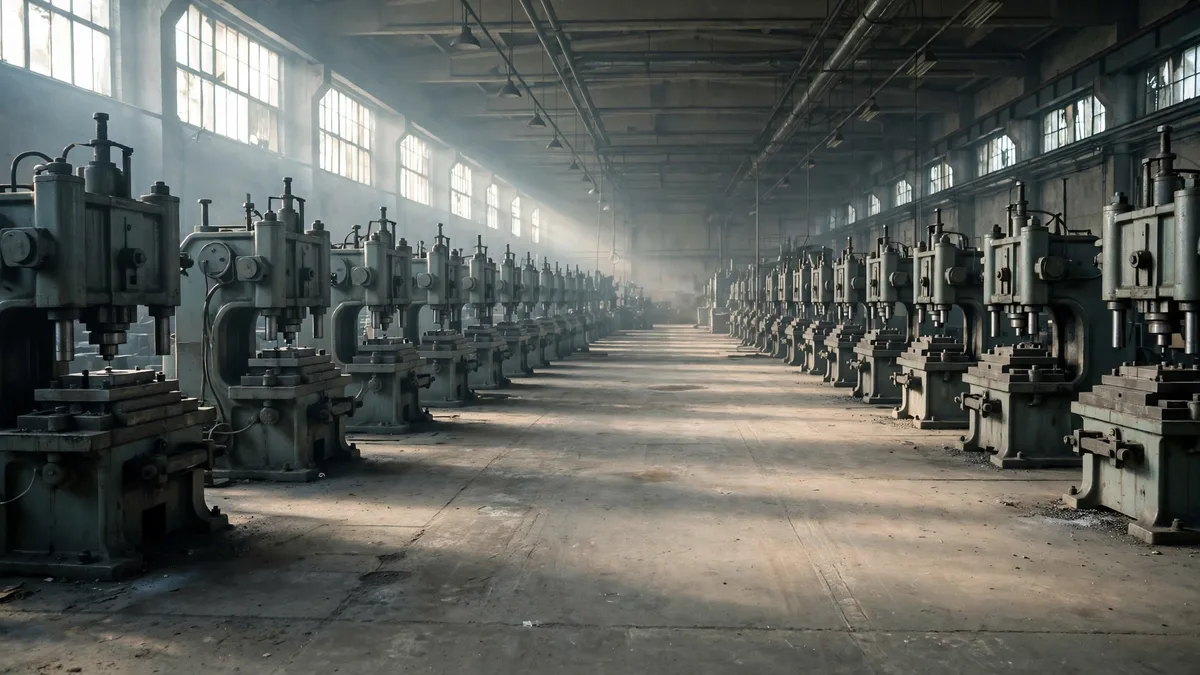
The damage — official figures only
- Toyota's stoppage: all 14 domestic plants, 28 lines, for one day — 1 March 2022 (Toyota's announcements). The production affected was put at about 13,000 vehicles at the time
- Kojima Industries' damage: data on part of its servers and PCs was encrypted; network connections with partners and the outside were cut; deliveries resumed on 2 March, starting with order-data exchange by alternative means
- Data taken out: as of the investigation report's first edition, no trace of data being taken outside had been confirmed, and the investigation was continuing
- Money: neither company published a monetary loss figure, so this article gives none
The headline figures are "one day, 14 plants, 28 lines". Even a one-day stop reached every domestic plant, because one supplier's failure travelled down a tightly connected chain.
What went wrong
The problems that can be read from the official statements and the investigation report are these:
- A subsidiary's device was an unseen door: the connection device in question was one the subsidiary used on its own, for one specific partner. Devices outside head-office oversight are exactly where vulnerability fixes (updates) tend to lag
- The intrusion could move from subsidiary to parent: the entry did not stop at the subsidiary's network; it reached the parent company's network. Without boundaries on connections inside a group or with partners, harm travels as far as the connections do
- There was no substitute when it stopped: the ordering mechanism rested on one company's systems, so when that company stopped, its customer's every plant stopped. The leaner the system, the wider a single stoppage echoes
Lessons for a small company
- Count every remote-access device — all of them: not just head office, but branch offices, subsidiaries, and devices placed for maintenance. A device you do not know exists cannot be updated. A simple inventory list is the first step
- Do not defer updates on internet-facing devices: when a vulnerability in a VPN or remote-connection device is announced, exploitation may already be under way. Decide in advance who acts the same day, and how. The basic order is set out in the guide "Ransomware Readiness: The First Five Things to Do — For Companies Without IT Staff"
- Put boundaries and a second key on connections: limit partner and subsidiary connections to what is actually needed, and put multi-factor authentication on remote access, so that one entry point does not open the whole network
- Decide your fallback before you need it: Kojima Industries could resume deliveries on 2 March because order data could be exchanged by alternative means. Decide in quiet times — on one page — how orders, contact and shipping continue if your systems stop, including paper and phone
- Expect your customers' requirements to tighten: after an incident like this, large buyers extend security checks and requirements across their supplier base. Being able to answer — your device inventory, your update status, how you authenticate — protects the contract as well as the network
The lesson of this case is not "they were targeted because they are big". The door was one connection device at a subsidiary. One weak remote-access box of yours can stop not only your company, but your biggest customer's plants as well.
As a next step, check your own position first: the free security self-check covers internet-facing devices and update habits. For a professional review, the Security Assessment (¥30,000 before tax) organises the work from entry-point inventory to priorities. The other cases are in the Breach Case Files index.
Review your current posture with 25 questions. Runs in your browser only.
Check your understanding
Tap an answer to check yourself. Nothing is saved or sent.
Start the quiz3 questions
Q1. Where did the attackers first get in?
See the answer
The company's investigation report identifies a vulnerability in a remote-connection device the subsidiary used on its own for dedicated communication with an outside company.
Q2. How large, and how long, was Toyota's stoppage?
See the answer
The production affected was put at about 13,000 vehicles at the time.
Q3. Did the official statements name the attacking group?
See the answer
Neither company's official statements identify or name an attacker, so this article does not name one either.
See the latest threat intelligence