 HIXOR
The Kantsu Ransomware Attack: The Company That Scrapped Everything and Rebuilt in 50 Days
Key points
- On 12 September 2024, ransomware encrypted Kantsu's warehouse systems, affecting about 500 PCs and about 1,200 handheld terminals (company disclosure)
- Kantsu judged that forensically clearing the old estate, device by device, would be slower than rebuilding — so it scrapped everything and rebuilt from zero
- It secured about ¥2 billion in emergency financing and declared recovery on 1 November 2024, about 50 days after the attack
- Total damage was about ¥1.7 billion, including about ¥1 billion in customer compensation (press release, 16 July 2025). The same release states that no personal-data leak was confirmed
- Kantsu's official wording on entry is only "intrusion from an external network connection point." The company has not officially named an attack group or a specific entry route
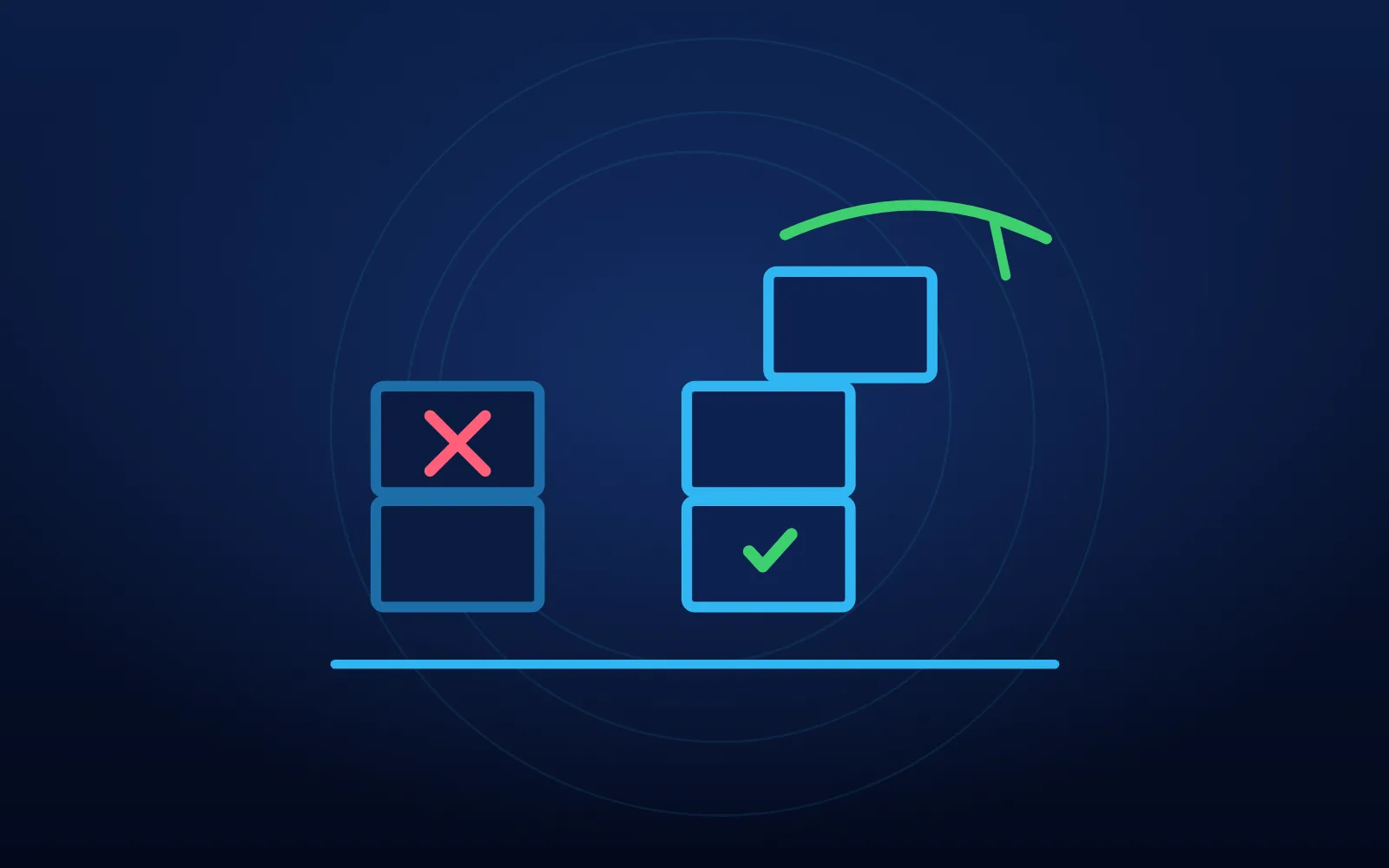
On 12 September 2024, ransomware encrypted the warehouse systems of Kantsu, an e-commerce logistics company, affecting about 500 PCs and about 1,200 handheld terminals. Kantsu chose not to clean and reuse the infected estate. It scrapped its IT assets entirely and rebuilt from zero, secured about ¥2 billion in emergency financing, and declared recovery on 1 November 2024 — about 50 days later. In its press release of 16 July 2025, the company put total damage at about ¥1.7 billion. This case file uses only Kantsu's official announcements and timely-disclosure filings (September–October 2024) and that press release of 16 July 2025.
What happened — the timeline
- 12 September 2024: Ransomware attack. Warehouse systems are encrypted; about 500 PCs and about 1,200 handheld terminals are affected
- September–October 2024: Kantsu issues official announcements and timely-disclosure filings, describing the entry only as an "intrusion from an external network connection point"
- After the attack: Kantsu decides that rebuilding is faster than forensic clearance of the old estate, scraps its IT assets, rebuilds from zero, and secures about ¥2 billion in emergency financing
- 1 November 2024: Recovery declared — about 50 days after the attack
- 16 July 2025: Press release puts total damage at about ¥1.7 billion, including about ¥1 billion in customer compensation, and states that no personal-data leak was confirmed
The lesson of this case is a management decision, not only a technology failure: the time to decide "could we rebuild from nothing?" is before an incident, not during one.
How the attack worked, in plain words
Ransomware is malicious software that encrypts a victim's data — locks it so it cannot be read — and demands payment in exchange for unlocking it.
At Kantsu, the systems that run warehouse work were encrypted. In a warehouse, the system and its handheld terminals tell staff where each product is and what goes into each order. When that guidance stops, the products can be sitting in front of staff and shipping still cannot move. The company disclosed that about 500 office PCs and about 1,200 warehouse handheld terminals were affected.
The harder problem came next: could the old environment ever be trusted again? If no one can say how far the intruder got, proving every device safe takes a long time by itself. Kantsu decided not to wait for that proof. It discarded the environment and built a new one from zero, judging that rebuilding would be faster than clearing the old estate.
Reporting on the incident states that backups were also encrypted. If so, the normal recovery route — restore from backup — was not available, and that forms part of the context for the rebuild decision. Treat that point as reporting, kept separate from the wording of Kantsu's own releases.
The entry route needs the same clear separation. What Kantsu officially said: the intrusion came "from an external network connection point." Its official releases do not name a specific route beyond that, and do not name an attack group. What reporting says: Reporting based on forensic-firm information (SoftBank's business blog, CIO Japan, Nikkei xTECH) names the group as "Akira" and describes an SSL-VPN device and leaked credentials as the entry route. That is reporting. It is not something Kantsu has officially confirmed, and this article does not present it as a company-confirmed fact.
For a small company, the practical point is not the group name. It is that a connection point reachable from outside — remote access, a VPN, an admin console — becomes the outermost door of the company. How to put a second lock on that door is also covered in our guide "Getting Started with Multi-Factor Authentication — Start with Email, Social, and Money Accounts".
The damage — official figures only
All figures below come from Kantsu's press release of 16 July 2025.
- Total damage: about ¥1.7 billion
- Of which customer compensation and related costs: about ¥1 billion
- Personal data: no leak was confirmed (same release)
Do not confuse this with the roughly ¥2 billion in emergency financing. That is not a damage figure. It is money the company secured so the business could keep going. "How much damage was done" and "how much money was raised to recover" are two different numbers.
What went wrong
This section separates what the official record supports from what can reasonably be read from it.
Supported by the record:
- A single intrusion stopped the core of the business at once: warehouse systems, PCs, and handheld terminals were all affected. The intruder could reach across the working environment
- The old estate was in a state where scrapping and rebuilding was judged faster than examining and restoring it: in other words, at that moment there was no environment that could quickly be confirmed safe
Reasonable readings:
- The external connection point was the last line of defence: because the entry point was an external connection point, the authentication and device management on that connection were the last line of defence. Once it was passed, the impact spread widely inside
- "Restore from backup" alone may not be enough: if, as reported, backups were also encrypted, then whether a backup copy sits where an attacker cannot reach it decides whether recovery is possible at all
- Recovery needed money before it needed technology: securing about ¥2 billion early was part of Kantsu's decision-making. Without funds, "rebuild from zero" is not an option a company can actually choose
Lessons for a small company
- Make the decision before the incident: "Do we clean and keep the infected environment, or scrap and rebuild it?" should not be thought through for the first time in a panic. In calm times, write down once: what you would have to discard before work stops, and what you would need in hand to rebuild. On the day of an incident, what you need is not a new decision — it is the execution of a decision already made
- Judge backups by whether they survive the attack, not whether they exist: A backup on the same network, reachable with the same ID as production, can be encrypted together with it. Check three things: (1) Is there one copy that is disconnected from the network, or that cannot be overwritten? (2) Have you actually tested restoring from it? (3) Is the restore procedure written down somewhere other than one person's memory? The order of work is also set out in "Ransomware Readiness: The First Five Things to Do — For Companies Without IT Staff"
- Decide how many days you can run on paper: Kantsu's warehouse stopped because the system was what guided the work. For your company, decide in advance what you could keep doing by hand if systems stopped — orders, shipping, invoicing — and for how many days. That makes the recovery target date a realistic one
- Count your outside doors: List every way in from outside (VPN, remote desktop, cloud admin consoles). For each one, check whether multi-factor authentication is on, and whether any unused connection is still open. Intrusions usually start at one of these doors
- Prepare contacts and money in advance: The things a company goes looking for on the day of an incident — a specialist firm, a lawyer, its insurer, its bank, and who contacts key customers — should already be on one list. Deciding in advance how much can be spent in an emergency, and on whose approval, makes the first funding step as fast as Kantsu's was
Before anything large, check where your company stands today. The lesson of this case is a management decision, not only a technology failure. More cases are in the Breach Case Files index.
Review your current posture with 25 questions. Runs in your browser only.
Check your understanding
Tap an answer to check yourself. Nothing is saved or sent.
Start the quiz3 questions
Q1. What did Kantsu choose instead of cleaning and reusing its old systems?
See the answer
Kantsu judged that rebuilding would be faster than forensically clearing the old estate, device by device.
Q2. According to Kantsu's press release of 16 July 2025, what was the total damage?
See the answer
The roughly ¥2 billion figure was emergency financing the company secured, not damage.
Q3. What is Kantsu's official wording on how the attacker got in?
See the answer
The group name and specific route come from media reporting, not from Kantsu's official releases.
See the latest threat intelligence