 HIXOR
Japan Airlines Business Email Compromise: How a 'Corrected' Invoice Sent About ¥380 Million to a Fake Account
Key points
- In 2017, JAL was tricked by emails impersonating business partners and sent about ¥380 million to fake accounts in Hong Kong. There was no virus — the cause was believing a 'changed bank account'
- The aircraft-lease invoice arrived as a 'corrected version' of the genuine one; the only change was the destination account (about ¥360 million)
- Ground-handling fees of about ¥24 million were taken the same way at the US cargo office. The two were separate incidents
- The fraud surfaced when the real partner sent a payment reminder. The money had already been withdrawn
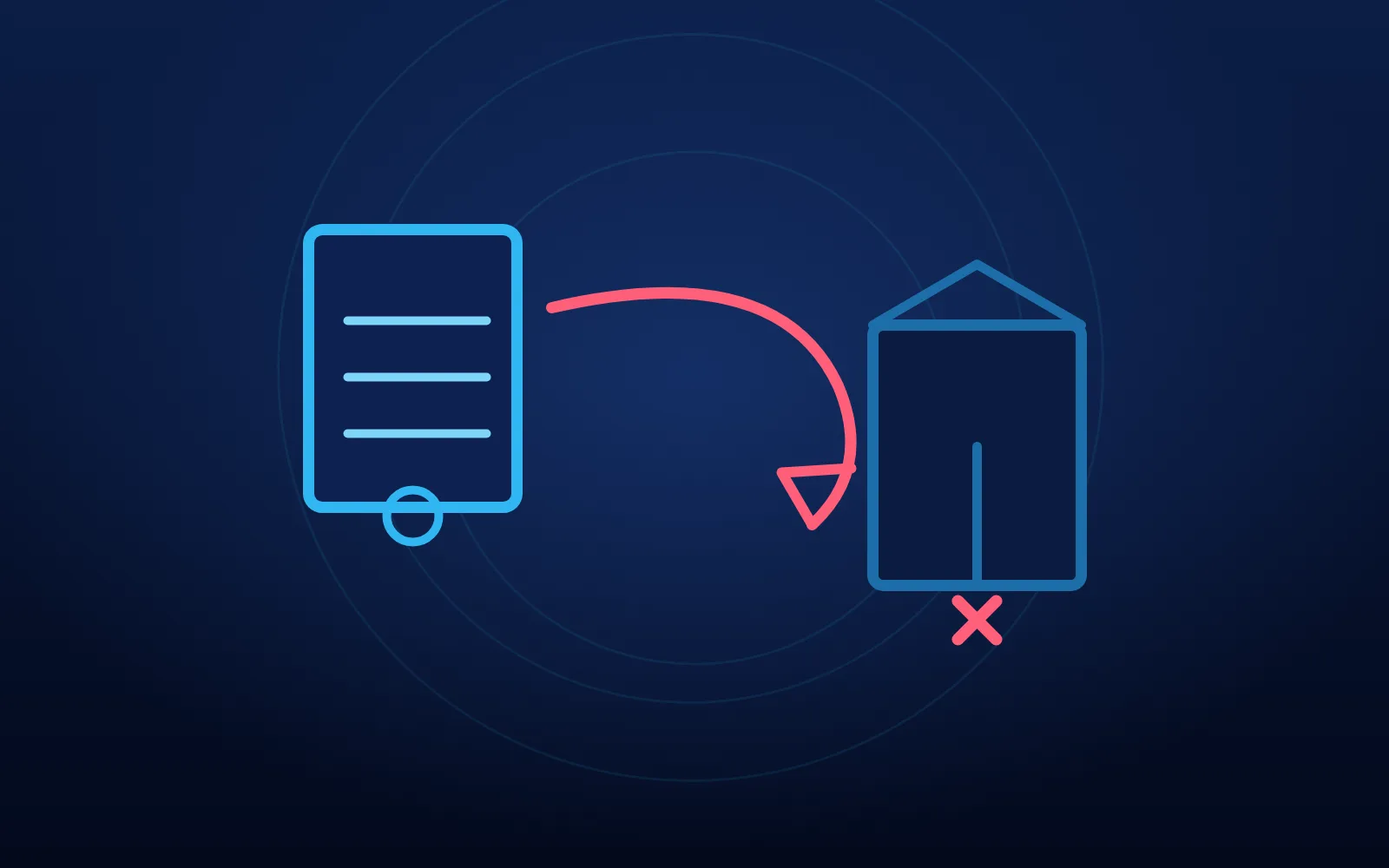
In 2017, Japan Airlines (JAL) was not infected by any virus. It believed emails impersonating its business partners, followed a "changed bank account" on an invoice, and sent about ¥380 million to fake accounts in Hong Kong. The technique is called business email compromise (BEC), and it happened twice, in two separate incidents. This case file is based on JAL's announcement and the alerts and follow-up report issued by Japan's IPA (Information-technology Promotion Agency).
What happened — the timeline
- 24 August and 7 September 2017: JAL's US cargo office sent ground-handling fees totalling $215,999.61 (about ¥24 million) to a bank account in Hong Kong. Emails impersonating the business partner had designated the changed account
- 25 September: an email arrived claiming to be from the usual contact at the overseas financial company that handles JAL's aircraft leases. Attached was a PDF presented as a "corrected version" of the genuine invoice — the only change was the bank account, now in Hong Kong
- Late September: JAL transferred the lease payment of $3,254,881.03 (about ¥360 million) to that account
- October: the real financial company sent a payment reminder, and the fraud came to light. The money had already been withdrawn
- 20 December: JAL publicly disclosed both incidents, reporting that it had filed reports with the Tokyo Metropolitan Police, the Hong Kong police, the FBI and local police. The loss was to be booked in the fiscal year ending March 2018, with no impact on its published forecast
The total was about ¥380 million (the headline figure in JAL's announcement): about ¥360 million for the lease payment and about ¥24 million at the cargo office. The two were separate incidents, at different offices, at different times.
How the attack worked, in plain words
Business email compromise uses no malware. The fraudsters study a real business relationship first — the contact's name, how invoices normally flow — and then send an email saying "our bank account has changed". To the person receiving it, it looks like the usual contact, in the usual format, with the usual invoice.
In the lease case, what arrived was a "corrected version" of the genuine invoice. The amount and content were identical to the real one; only the destination account had been swapped for one in Hong Kong. The displayed sender name and address were indistinguishable from the usual contact's.
The second case was worse. According to reporting based on JAL's announcement, when the account change was queried, a reply came back saying the change was genuine. In other words, the confirmation itself was answered by the fraud side. "We checked by email" had become part of the fraud.
The limits of judging by appearances, and the value of verifying through a separate route, are also covered in our guide "How to Spot a Phishing Email: Don't Trust the Sender — Verify in the Official App". Business email compromise is that same impersonation, aimed at a business partner instead of a login page.
The damage — official figures only
According to JAL's announcement, the loss was about ¥380 million across two incidents:
- Aircraft lease payment: $3,254,881.03 (about ¥360 million), sent to a Hong Kong bank account in late September 2017
- Ground-handling fees at the US cargo office: $215,999.61 (about ¥24 million), sent to a Hong Kong account in two transfers on 24 August and 7 September 2017
Both sums had already been withdrawn by the time the fraud was discovered. JAL said the loss would be booked in the fiscal year ending March 2018 and that its published earnings forecast was unaffected. No systems were damaged. What failed was not an aeroplane — it was the way payments were verified.
Japan's IPA (Information-technology Promotion Agency) had already issued an alert on business email compromise in April 2017. Its follow-up report of August 2018 took up this airline case (a loss of about ¥380 million) and warned again that companies and organisations of every kind in Japan could be targeted. A disclosure of this scale by a major Japanese company was unusual, and the case became one of the starting points for BEC countermeasures in Japan.
What went wrong
What the announcement and reporting show is not a technology failure. It is a failure of the verification procedure:
- The check stayed inside the email: the query about the account change was answered by the fraud side. Checking within the very channel you suspect is not a check
- Appearances could not catch it: the sender display and the invoice format were nearly identical to the real ones. "It doesn't look suspicious" is not evidence of safety
- The "corrected" invoice passed straight through: an invoice in which only the bank account has changed is the classic signature of BEC. A procedure that stops at that signature was needed before the payment went out
Lessons for a small company
- Verify bank-account changes outside email: call a number you already know — never the number written in the email announcing the change. Verification has to come through a different door
- Treat "corrected version" and "account changed" as stop signals: even when the amount is unchanged, an invoice with a new account means stop and verify first
- Put two pairs of eyes on payments: the larger the transfer, the more a second person asking out loud "did we verify this account?" is worth
- Expect to be impersonated, too: your company can be the victim or the costume. Agree with your regular partners in advance how account changes will be confirmed
No special technology was used in this case. Only the account number on an invoice was changed — the preparation to make people believe it was careful. Even a company that thinks "we have nothing worth stealing" still makes payments. More cases are in the Breach Case Files index.
Review your current posture with 25 questions. Runs in your browser only.
Check your understanding
Tap an answer to check yourself. Nothing is saved or sent.
Start the quiz3 questions
Q1. According to JAL's announcement, roughly how large was the total loss?
See the answer
About ¥360 million for the aircraft lease payment plus about ¥24 million in ground-handling fees at the US cargo office — two separate incidents.
Q2. In the lease-payment fraud, what had been changed on the invoice?
See the answer
It was presented as a 'corrected version' of the genuine invoice — same content, same amount, with only the account swapped for one in Hong Kong.
Q3. In the cargo-office case, what happened when the account change was queried (per reporting based on JAL's announcement)?
See the answer
The confirmation itself was answered by the fraudsters — the lesson being that checking inside the channel you suspect is not a check.
See the latest threat intelligence